DUNLOP FLEXIBLE FLOOR & WALL GROUT is a water and frost-resistant powder based grout. Flexible and highly durable, it can be used for grouting natural stone, mosaics, glazed and porcelain tiles, in joints up to 20mm.
What can I add to grout to make it flexible?
Latex additives make the grout more flexible. Including a latex additive prevents cracking as grout dries and the tile installation settles.
Is silicone grout flexible?
Silicone grout is flexible and can withstand the natural expansion and contraction of the ceramic tiles that occurs as the bathroom is in use. A sealant is applied once the silicone grout has cured to protect the joints and the ceramic tile.
Do you need flexible for grout?
Grouts can almost follow suit, however, these days a flexible grout with anti-mould is the standard choice. Grouts can be smooth or coarse and you can determine which one to use by the type of material being fixed and size of grout joint width to be used.
Which grout is most flexible?
A flexible grout called QuartzLock 2 was our best solution. It is a pre-mixed, ready-to-use urethane and colored quartz-based grout that is very easy to install. It requires no sealing and is resistant to typical food stains and most household chemical products.
What to do if tile grout is cracking?
How To Fix Cracked Grout on Tile Floor or Wall?
First, remove the old grout with a grout saw.Next, grab some matching caulk.Apply the caulk to the area that needs repair.Smooth it out.Let it dry.You’re all set!
Can you use silicone instead of grout?
Grout is a hardwearing emulsion but should only be used between joints of the same plane. This means any corners or bends that your tiles and fittings encounter should be handled with silicone instead. This is because grout is not flexible enough to withstand any structural movement.
Can I add PVA to tile grout?
Short answer. No, never use PVA to prime a surface before applying tiles. The acetic acid produced when cement and PVA come into contact would render the adhesive and grout useless.
Can I mix PVA with grout?
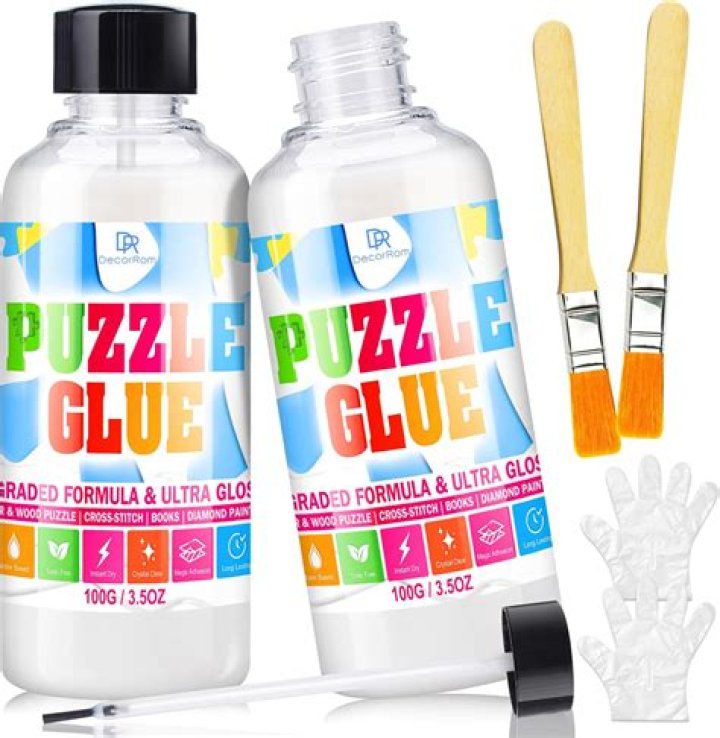
If you’re going to put anything in then buy a proper grout additive, PVA is wood glue. Of course you can!
Why does my floor tile grout keep cracking?
For example, if the grout is improperly mixed with too much water or additives, it could leave air pockets after the grout has fully dried. These make the grout weak and brittle, leading to cracks. Grout can also crack if too little adhesive is used to install the tiles.
Is flexible grout waterproof?
Flexible-Epoxy grout is made from two different resins mixed with a filler, making it waterproof and better suited to harsher cleaning products as Flexible-Epoxy Grout offers greater bond strength and chemical resistance than cementitious grouts.
Is it okay to caulk over grout?
Generally speaking, caulking over grout is not a great idea. Aside from the fact that aesthetically speaking this rarely works out, there are practical reasons why caulk might not be the appropriate choice to seal or connect two materials.
How long does flexible grout take to dry?
Allow approximately 15 minutes for the grout to dry sufficiently before cleaning off diagonally across the grout lines with a damp sponge.
Is cracked grout a problem?
Cracked grout is most assuredly a problem.
First, if you have cracked floor tile grout, which loosens and crumbles away, your tile edge can be damaged. This could also lead to a totally broken tile that will need repair or replacement. If you have cracked shower grout, two potential problems come into play.
Will hollow tiles crack?
Perhaps the tiles are still partially attached at the corners or somewhere in the middle, but it’s just a matter of time before a hollow tile begins to crack. Depending on what’s happening underneath the flooring, these kinds of problems may be caused by, among other things, structure settlement or weak underlayment.
Is it OK to use premixed grout?
A premixed grout is the best grout for tile if you are looking for color consistency and a quicker installation. Premixed grout saves time because you can open a bucket and start grouting immediately.
Do large tiles crack easier?
The bigger the tile, the more the tile will feel the effects of deflection in the subfloor, and as a result the stronger the subfloor should be in order to use large format tile. As for the thicker tile being less prone to cracking, yes, you’re correct.