Over time, breathing the dust from drywall joint compounds may cause persistent throat and airway irritation, coughing, phlegm production, and breathing difficulties similar to asthma. Smokers or workers with sinus or respiratory conditions may risk even worse health problems.
How long does it take for dust to damage lungs?
Over time, the silica dust particles can cause lung inflammation that leads to the formation of lung nodules and scarring in the lungs called pulmonary fibrosis. This is a progressive disease that normally takes 10–30 years after first exposure to develop.
How do you remove construction dust from your lungs?
Ways to clear the lungs
Steam therapy. Steam therapy, or steam inhalation, involves inhaling water vapor to open the airways and help the lungs drain mucus. Controlled coughing. Drain mucus from the lungs. Exercise. Green tea. Anti-inflammatory foods. Chest percussion.
How long does dust inhalation last?
The first symptoms may last only 12 hours, or they may continue for several days. If you inhale the allergens over and over, you may have these symptoms: Shortness of breath, especially with activity.
Is drywall dust toxic?
To answer your question in short: drywall dust is not toxic to the body in smaller amounts. This means it will not cause any long-term diseases. However, it can irritate parts of the body, like the eyes and throat. This is because it is made of a chemical known as gypsum (calcium sulfate dihydrate).
Can inhaling dust make you sick?
You may not think it’s a big deal when you breathe in dust, but for some people, it could bring on a lung disease called hypersensitivity pneumonitis. It’s an allergic reaction to particles in the dust, and it can cause symptoms like coughing and shortness of breath.
Do lungs clean themselves of dust?
Besides macrophages, the lungs have another system for the removal of dust. The lungs can react to the presence of germ-bearing particles by producing certain proteins. These proteins attach to particles to neutralize them.
What can I drink to cleanse my lungs?
Delhi pollution: 5 drinks that can detoxify your lungs during high levels of pollution
Ginger honey lemon tea. Ginger contains anti-inflammatory properties that can reduce cough and congestion. Green tea. Turmeric and ginger drink. Masala chai. Licorice (mulethi) root tea.
How do you treat irritated lungs?
Home treatment focuses on easing the symptoms:
Drink fluids but avoid caffeine and alcohol.Get plenty of rest.Take over-the-counter pain relievers to reduce inflammation, ease pain, and lower your fever. Increase the humidity in your home or use a humidifier.
Is there a way to clean your lungs?
Lungs are self-cleaning organs that will begin to heal themselves once they are no longer exposed to pollutants. The best way to ensure your lungs are healthy is by avoiding harmful toxins like cigarette smoke and air pollution, as well as getting regular exercise and eating well.
How can I clean my lungs at home?
To ensure you can feel your best, give these lung cleansing techniques a try:
Do Steam Therapy. Breathe in, breathe out. Drink Green Tea. Cleaning your lungs may be as simple as sipping hot tea—green tea, specifically. Invest in an Air Purifier. Exercise Regularly. Eat Anti-Inflammatory Foods.
How do you clean your lungs after Covid?
Breathe out fully. Take a small breath in through your mouth, nose or both and hold. On top of the air already in your lungs, take another small breath.
Breath stacking is a technique that can be used to:
help expand your lungs.keep the muscles flexible.help you have a stronger cough to clear your phlegm.
Is dust harmful to lungs?
Bad, experts say. Dust buildup can cause serious health problems, according to Johns Hopkins Hospital lung expert Dr. Panagis Galiatsatos, including serious lung infections and in rare cases, even death. “A good inhalation of dust could be life threatening depending on someone’s asthma exacerbation,” Galiatsatos said.
How much silica does it take to get silicosis?
Because silicosis is caused by cumulative or repeated exposure to respirable crystalline silica, it makes sense that we would want to limit exposure as much as possible! OSHA has set the Personal Exposure Limit (PEL) at 50 micrograms per cubic meter of air, averaged over an 8 hour shift.
Can drywall dust give you a headache?
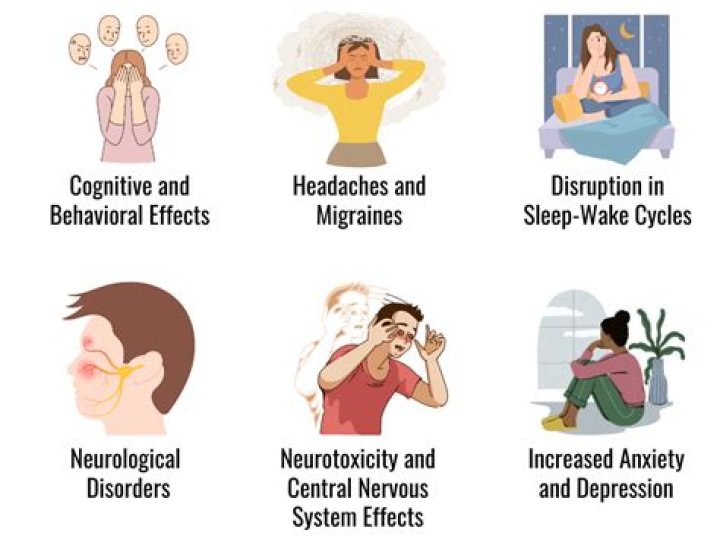
Toxins in dust and allergens, such as dust mites, aggravate allergies and asthma, but can affect many more people with fatigue, lack of concentration, eye and skin irritation, dizziness and headaches.
Can you get silicosis one exposure?
It is possible to get silicosis from one exposure to a massive concentration of crystalline silica dust without a respirator. This condition is the rarest form of the disease and is called acute silicosis.