Unhealthy relationships often feel like you’re on a rollercoaster. You have tearful arguments, followed by passionate makeups. You’re constantly breaking up and getting back together. Your partner makes hateful comments, then quickly apologizes and promises to never say those things again.
What are the characteristics of an unhealthy person?
Unhealthy people always assume that the worst. They assume no one will like them, that they’ll always mess up, and that they’ll never be successful in their efforts. They predict others have evil intentions and they always predict the worst possible scenarios will come true.
What is a unhealthy relationship?
Healthy relationships make you feel good about yourself — unhealthy relationships don’t. Lying, cheating, jealousy, and disrespect are signs of an unhealthy relationship. So is trying to control a partner. That includes: keeping track of where they are and who they hang out with.
What is a unhealthy relationship definition?
An unhealthy relationship is a toxic or one-sided relationship that lacks genuine love and sincerity. It’s a total waste of time and emotions and this could affect anyone psychologically. It’s like gambling on someone’s trust and taking advantage of their feelings.
What are 3 signs of a healthy relationship?
A happy, healthy relationship should have these 8 traits
8 signs you’re in a healthy relationship.Mutual respect. Healthy relationships are built on mutual respect. Safety. Couples in a healthy relationship feel safe with each other. Open and honest communication. Compromise. Equality. Independence. Support.
What is the definition unhealthy?
Definition of unhealthy
1 : not conducive to health : not healthful an unhealthy climate unhealthy habits unhealthy foods. 2 : not in good health : sickly, diseased unhealthy animals. 3a : risky, unsound an unhealthy economy. b : of a harmful nature : bad, injurious unhealthy levels of lead.
Why do people stay in unhealthy relationships?
A person who stays in an unhealthy relationship may do so because of: Reliance or Codependency: Someone can become financially dependent on their partner and believe that without money they will not have a lavish lifestyle or simply believe that they won’t be able to stand on their own feet.
What are healthy and unhealthy relationships?
A healthy relationship involves accepting the other person, wholeheartedly. It works hard to discover who the other person really is, so she can love that person in an all encompassing way. An unhealthy relationship, in contrast, seeks to change the opposite end of the relationship.
What are the 10 signs of an unhealthy relationship?
10 Signs You’re in a Toxic Relationship
You don’t feel safe. You have bad (or nonexistent) communication. You feel neglected and exploited. You feel like you’ve lost yourself. Judgment—not curiosity—is the norm. You feel belittled and ashamed. You don’t receive empathy. You’re playing a dysfunctional role.
How do I know if my relationship is unhealthy?
Here are some signs of an unhealthy relationship: Physical abuse: your partner pushes you, hits you or destroys your things. Control: your partner tells you what to do, what to wear or who to hang out with. They constantly check up on you or use threats (for example, to harm you or themselves) to make you do things.
What are four signs of an unhealthy relationship?
12 Signs of an Unhealthy Relationship
Controlling a person’s appearance. Telling someone how to dress or look is basically hijacking a person’s identity. Criticizing & Name Calling. Isolation from Family and Friends. Blaming & Shaming. Physically harms. Ignoring & Witholding Affection. Mistrust. Makes all the Decisions.
What are 5 characteristics of a healthy relationship?
Our experts identified six key characteristics of a healthy relationship, including empathy, trust, respect, compromise, laughter, and communication.
What are the effects of an unhealthy relationship?
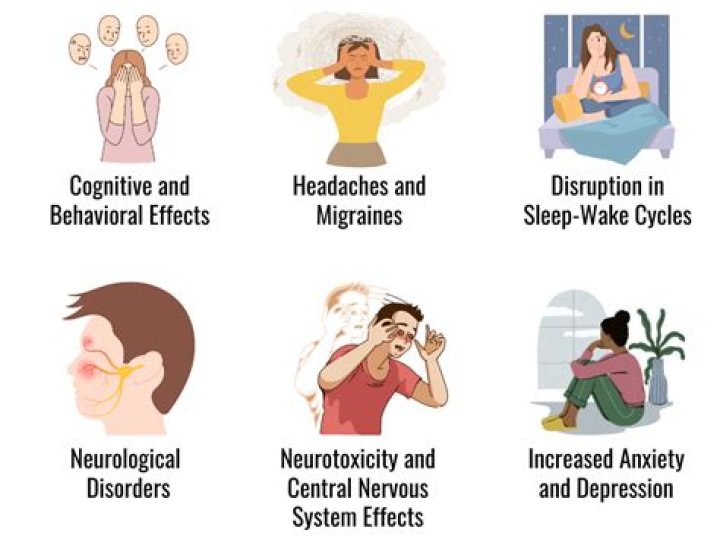
Unhealthy, abusive or violent relationships can cause short term and long term negative effects, or consequences to the developing teen. They tend to do poorly in school, and report binge drinking, suicide attempts, and physical fighting. Victims may also carry the patterns of violence into future relationships.