The plasterboard does not need to have any PVA applied – you are fine to just apply the plaster direct. However if the plasterboard is old or you are concerned for any other reason -then applying PVA will not cause any problems.
Is it OK to PVA plasterboard?
You can PVA new PB with no real adverse effectsjust no need to.
Do I need to prime plasterboard before skimming?
yes you just skrim the joints first to ensure the plaster will not crack on the joints and then skim directly on to the boards.
Why do plasterers use PVA?
PVA for Bonding
Adding a coat of the glue to your wall surface just before you start plastering helps to bond the plaster to the wall. The PVA literally helps to stick the plaster in place in the same way it can bond two pieces of wood together.
Can you just paint plasterboard?
Painting Plasterboard is Perfectly Fine
The smooth surface should provide as good of a look as a plastered wall, though painting plasterboard may require an additional mist coat due to its absorbent nature.
Should I PVA plasterboard before painting?
Before painting the new plaster you will require a sealer to prime the surface. Contractors often worryingly think PVA will work as a sealer. Do not use PVA. PVA is the mortal enemy of paint!
Do you need to prime plasterboard?
P:S: Ideally you should give plasterboard a coat of Gyproc Drywall Sealer before painting. as ordinary paint, might make plasterboard go soggy.
Can PVA be used as a sealer?
PVA ADHESIVE & SEALER can be used with plaster, cement, timber, gypsum wall boards and paper. Properties as an adhesive include fast drying. It is also a readily dilutable primer for sealing applications or addition to cement and plaster to improve adhesion and cure.
Can you emulsion over PVA?
Yes you can. All the PVA will is bond to the paint you already have on the walls and will help the new coat of paint bond as well, Just make sure any flaking paint is taken off if any. You may want to water the PVA down with water.
Do you have to seal plasterboard?
As we have mentioned at the top of this guide plasterboard is extremely prous even more than bare plaster so before any finishing coats of paint can be applied it needs to be sealed using a mist coat so that any finishing coats bond correctly and don’t flake off.
What’s the difference between plastering and skimming?
Plastering’ is often used to describe both tasks. ‘Skimming’ or ‘skim plastering’ can be seen as one method used to plaster a wall. The method of skimming entails plastering with a layer of thin coat and is usually applied to a wall with existing plaster, in order to smooth the surface area.
What is PVA plaster?
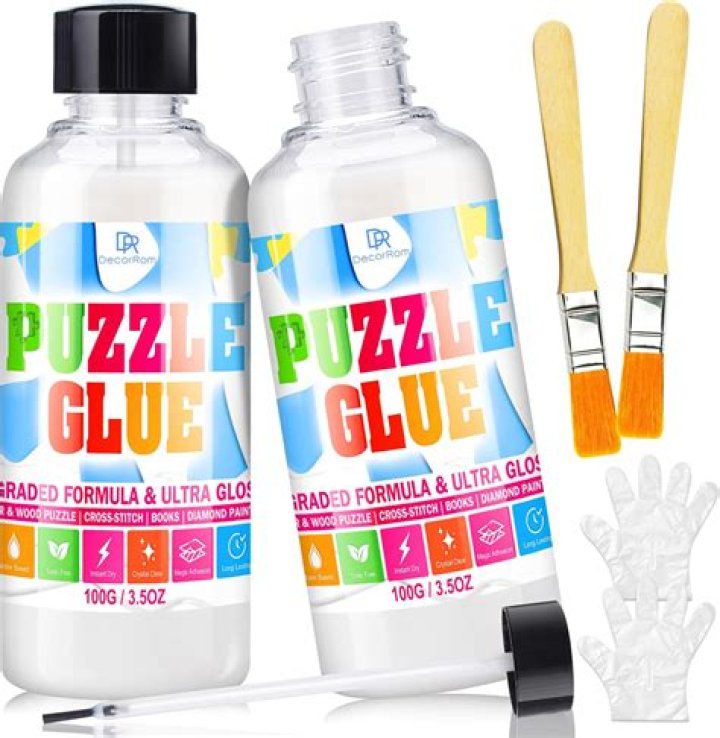
PVA, (Polyvinyl Acetate) is basically glue and adhesive. Joiners/ Carpenters and all DIY fanatics use it for many purposes with many companies making strong strains of the stuff. However, Plasterers use it for different reasons. The other main function of PVA is that it’s used as a primer.
Can you paint over PVA glue?
3 Answers from MyBuilder Painters & Decorators
You need to remove the pva as it creates a waterproof barrier hence why waterborne paints don’t adhere to it. Mechanically remove this with sandpaper or warm water and a sponge. Once you’ve removed it you can recoat your walls with no problems.
Do you need to PVA bonding before skimming?
use bonding; wait to dry –1-2 hours? Bonding about 2-3 hours, but some do leave it to following day before skimming depends on size of area. There is absolutely NO need for PVA when skimming over bonding the same day or the next day.