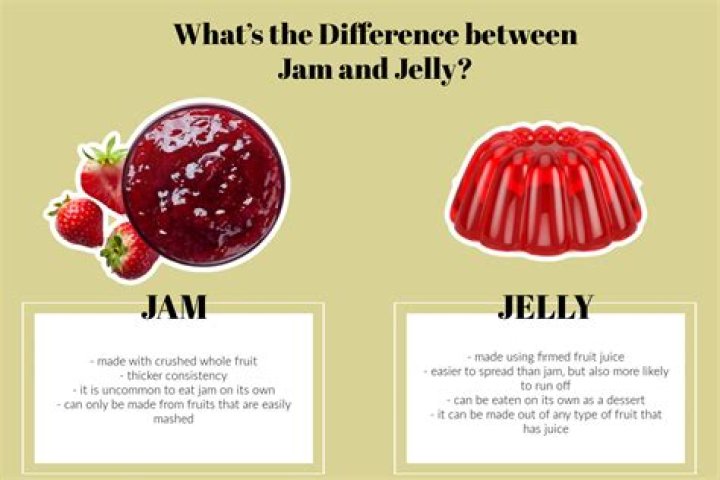
However, these terms are relative but not similar. The basic difference between chlorine and bleach is that chlorine is a natural element, while bleach is a solution of many elements. Moreover, chlorine occurs in nature as an essential part of plants and animals.
How do you make a chlorine tablet?
Tri-chlor is created by combining the salts of cyanuric acid and chlorine gas into a pressing machine to form a tablet or stick. Testing of cyanuric acid levels at least annually is required, to maintain it in the range of 30-50 ppm.
Where are chlorine tablets made?
That boom, experts say, created even more demand for chlorine. Then a manufacturing facility of one of the country’s major suppliers of chlorine tablets, BioLab, burned down last August, right after Hurricane Laura. The plant, located near Lake Charles, Louisiana, expects to resume operations by spring 2022.
What is the active ingredient in pool chlorine?
Sodium Hypochlorite, the active ingredient in liquid chlorine, begins working as soon as it enters the pool water.
What is stronger bleach or chlorine?
Chlorine is much stronger than bleach. To get your pools chlorine level to the point it needs to be to keep the pool looking clean and bright; you will need to use more bleach than you will chlorine. Bleach is also going to come in a liquid form only, and chlorine is most commonly sold in tablets.
Is sodium hypochlorite same as chlorine?
Chlorine is a gas at room temperature which has the chemical formula Cl2 whereas sodium hypochlorite is an inorganic compound having the chemical formula NaOCl. This is the fundamental difference between chlorine and sodium hypochlorite. Both these are important as bleaching agents, disinfectants, etc.
Is there a substitute for chlorine tablets?
Other chemicals
Bromine — considered a safe substitute for chlorine. Looks for BCDMH tablets, which are typically 66% bromine and 27% chlorine. If unable to find, you can use just bromine but it may leave the water a dull green color. PHMB — Chemical compound named polyhexamthylene biguanide.
Can you make your own chlorine?
Shock. Common unscented household bleach (sodium hypochlorite) works well to shock a pool. To increase the chlorine level by 5ppm in a 10,000 gallon pool, you would need 1/2 Gallon of basic household bleach.
Why is there a shortage of chlorine tabs?
The shortage is due to increased demand for pool supplies during the pandemic and a chemical fire at a BioLab facility in Louisiana after Hurricane Laura that knocked out one of the country’s three main chlorine manufacturers.
Which is better bromine or chlorine?
Chlorine works faster to kill contaminants but for a shorter period of time, as it dissipates faster. Bromine kills contaminants more slowly but for a longer period of time; plus, it can help keep water chemistry more balanced due to its low pH, meaning less chemical adjusting is needed.
Is chlorine still in short supply 2022?
During the fire, around 40% of the entire nation’s chlorine was destroyed, sending a shockwave through the pool industry and setting up supply issues going into 2021. Now, as the industry prepares for pool season 2022, this very important factory has yet to be completely rebuilt and is still not producing chlorine.
What chemicals are in Clorox?
Household bleach is actually a mixture of chemicals, Its main constituent is a solution of ~3-6% sodium hypochlorite (NaOCl), which is mixed with small amounts of sodium hydroxide, hydrogen peroxide, and calcium hypochlorite.
Is calcium hypochlorite the same as bleach?
Sodium and calcium hypochlorite are used primarily as bleaching agents or disinfectants. They are components of commercial bleaches, cleaning solutions, and disinfectants for drinking water and waste water purification systems and swimming pools.
What concentration is household bleach?
Household bleach is 5 – 6 % sodium hypochlorite; therefore a 1:10 (v/v) dilution of bleach to liquid biological waste is appropriate.
Is Clorox a chlorine?
Bleach Versus Pool Chlorine
Household bleach is a liquid that contains sodium hypochlorite, which is simply chlorine in its liquid form. Bleach, however, is typically only 5 to 6 percent chlorine.
Is liquid chlorine better than tablets?
Liquid chlorine is preferred over chlorine tablets by pool professionals however home swimming pools will benefit too. Liquid chlorine quickly raises or maintains chlorine levels without raising stabilizer. Chlorine tablets maintain chlorine levels and add stabilizer to the pool water.
Can you drink chlorine water?
Is chlorinated water safe to drink? Yes. The U.S. Environmental Protection Agency (EPA) limits the amount of chlorine in drinking water to levels that are safe for human consumption. The levels of chlorine used for drinking water disinfection are unlikely to cause long-term health effects.