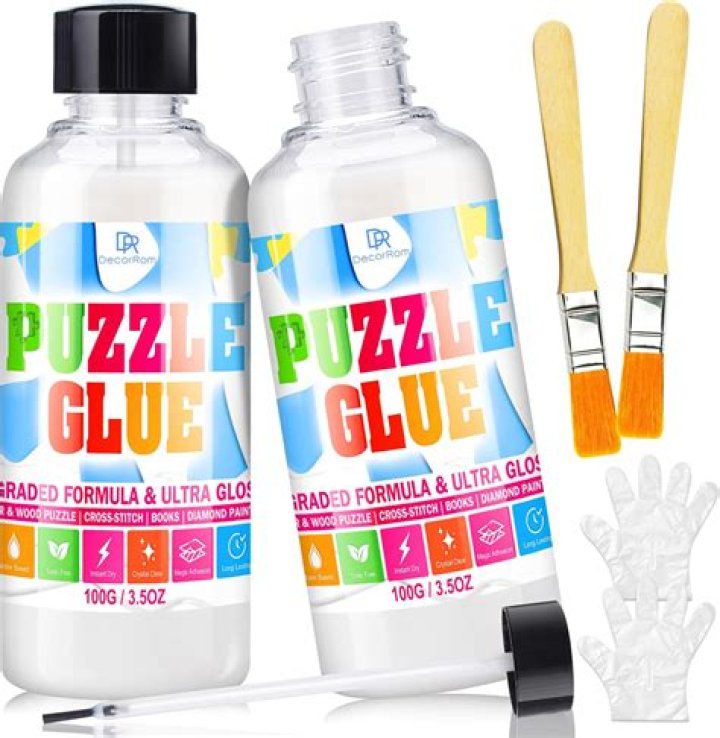
I used the plain Mason jars and mod podge with pattern paper with no problems. It’s all still attached. It also matters what look you are trying to achieve. I used the glossy mod podge but have the matte as well.
Will a glue stick work for paper on glass?
Superglue and PVA soak through the paper and somewhat spoil the effect, while glue sticks don’t do a good job of adhering to the glass.
What is the best glue to use with glass?
Epoxy glue is available in the market with the highest tensile strength and is considered the best glue for glass. It can be applied to surfaces like glass, metal, and plastic.
Can you Modge podge paper to glass?
As you can probably guess: YES, you can decoupage on glass. You can Mod Podge directly onto glass with paper, fabric, tissue paper, napkins, photos (copied), and a variety of other materials.
How do you stick wallpaper to glass?
The best way to wallpaper glass is to use a wallpaper that has double side adhesives. The rationale behind the double-side adhesive is because different adhesive types are used to stick on glass and to stick on paper. The two adhesives then connect, allowing the wallpaper to stick to the glass.
What glue dries clear on glass?
Gorilla Glue is practically synonymous with quality superglue, and for good reason. This product bonds well to glass, wood, foam, ceramic, and more. Gorilla Glue creates a very strong bond that dries crystal clear.
Can I use white glue on glass?
Can you use Elmer’s glue on glass? Sea Glass: If you’re hankering for some sea-weathered glass without getting sand in your shoes then look no further than Elmer’s glue. Mixing the glue with dye will give any glass that opalescent look.
Can I use silicone to glue glass?
Silicone is truly a great adhesive for glass and a variety of other substrates — as long as you understand what kind of silicone you’re working with. Acetoxy silicones release acetic acid and cure relatively quickly. Compared to most other silicones, they bond well with a variety of standard substrates.
How do you glue glass to glass?
The best adhesive or bonding agent for glass is known as an epoxy. Epoxy is made to glue almost any type of material. But basic glues such as Gorilla Super Glue, Loctite 349 Glass to Glass Glue, and E-6000 Clear Industrial Strength Glue are all good types to use when trying to do that.
Can you use super glue for glass?
A: While you can use standard super glue for glass, the adhesive properties might not be specially formulated for a glass surface. This could leave you with a less than ideal hold. It’s better to choose an adhesive formulated specifically for glass.
Does Gorilla glue work on paper?
Super glue, also referred to as cyanoacrylate glue, or CA glue, works on a variety of materials, including plastic*, metal, stone, ceramic, paper, rubber and more.
What kind of glue does not wrinkle paper?
2- Elmer’s No-Wrinkle Rubber Cement
Elmer’s Rubber Cement is one of the best paper glue on the market. Its strong, effective and doesn’t contain any acid or water which means that it won’t wrinkle or warp paper when it’s applied.
Is Super Glue good for paper?
Super glues are valued for their resistance to temperature and moisture and are commonly used with stone, metal, wood, plastic, glass ceramic, paper and most other common substances.
How do you glue paper to glass with Mod Podge?
Apply a light, smooth coat of Mod Podge evenly over surface, making sure all paper edges are covered. Use a bristle brush rather than a foam applicator, as bristle brushes create a smooth finish whereas foam applicators can create additional air bubbles.
How long does it take for Mod Podge to dry on glass?
How Long Does Mod Podge Take To Dry? A coat of Mod Podge will feel touch-dry within an hour, but your best bet is to give a project a full 24 hours before you deem it completely dry.
How do you decoupage paper on glass?
To decoupage on glass, start by cleaning the glass thoroughly and cutting out the images you want to use. Next, dip a craft brush in the glue and brush a thin layer onto your images. Then, press the artwork against the glass and use your fingers or the edge of a flat object to remove any air bubbles.