When the husk is peeled back, dense white to grayish-white mold growth will be matted between the kernels and between the ear and the husks. Small, black fungal fruiting bodies may be scattered on husks or embedded in cob tissues and kernels.
Can you eat corn with white mold?
ONE IS DANGEROUS: The white moldy ear has Diplodia. The green middle ear is Penicillium. The bottom red/pink mold is characteristic of Gibberella ear rot, which can produce mycotoxins. Feed containing low levels of vomitoxin (1ppm) can result in poor weight gain and feed refusal in swine.
How can you tell if corn has gone bad?
Healthy corn is firm, with slight moisture from the husks. However, it should not be slimy. If the grains are mushy, slimy corn is spoiled.
Here are some tips to know that corn is terrible:
Slimy and moldy appearance,Smell Moldy or rancid or both,If corn is dark.The top spray looks moist and darkening.
Is corn on the cob still good if it’s white?
There’s no difference between yellow and white corn, except in the color of the kernels. That’s right — there’s no difference in size of ears or taste of the corn between white, yellow, and bicolor varieties.
Can I cut off mold on corn?
Be sure to thoroughly remove all of the husk and the thin corn silk strands on the inside, and prepare as usual. Do not roast corn with slimy husks. Do not use corn with obvious mold or rot on the corn itself. If the edible portion of the corn is slimy or the majority is black or molded, throw it away.
Can corn get moldy?
Fungal species known to cause mold on corn are Trichoderma, Penicillium, Cladosporium, Stenocarpella (Diplodia), Fusarium, Gibberella and Aspergillus. However, only a few – Fusarium, Gibberella and Aspergillus– can produce mycotoxins.
Can spoiled corn make you sick?
As with any food, if you eat bad corn you are very likely to experience symptoms of food poisoning, such as gastric distress, vomiting and diarrhea. It is also worth noting that many people are allergic to corn.
How can you tell if sweet corn is off?
The best way to tell if your corn on the cob is going bad is to look at the top spray, if it is moist and darkening that is not a good sign.
How can you tell if corn is good?
Check the husk
You want the corn husk to be bright green, wrapped tightly against the corn and slightly damp. These are the freshest cobs! Don’t choose any husks that are starting to yellow or feel dry. You’ll want to check the husk for small brown holes, which mean insects and should be avoided.
Does corn go bad in fridge?
Fresh, raw, and uncooked corn on the cob should be stored in the refrigerator at all times. If stored properly in the refrigerator, uncooked corn on the cob can last anywhere from one to three days before spoiling.
How long is corn good in the fridge?
It’s best to use your corn the day you buy or harvest it. However, you can keep it fresh longer by storing it, unwashed and unpeeled, in a sealed plastic bag in the crisper drawer of your fridge. This’ll keep it usable for about five to seven days.
Is white corn ripe?
Touch the ear of corn in its husk while it’s still on the stalk. If it’s completely filled out and the end is rounded or blunt, it’s ready, according to the National Gardening Association. A pointy end means it’s over-ripe.
Why is white corn so sweet?
Both the kernels and milk of white corn are creamy white in color. The kernels have a very high percentage of sugar and water in their composition. When at their prime ripeness (the milking stage) the kernels will be tender, sweet, and succulent.
What is white mold on food?
White mold is not a specific type of mold – many species of mold may appear white. The species commonly found in homes are aspergillus, Cladosporium, and penicillium. All these molds may also appear gray, green, black, or other tints. Moreover, all molds thrive in moist areas where a food source like wood is present.
What are the symptoms of mycotoxins?
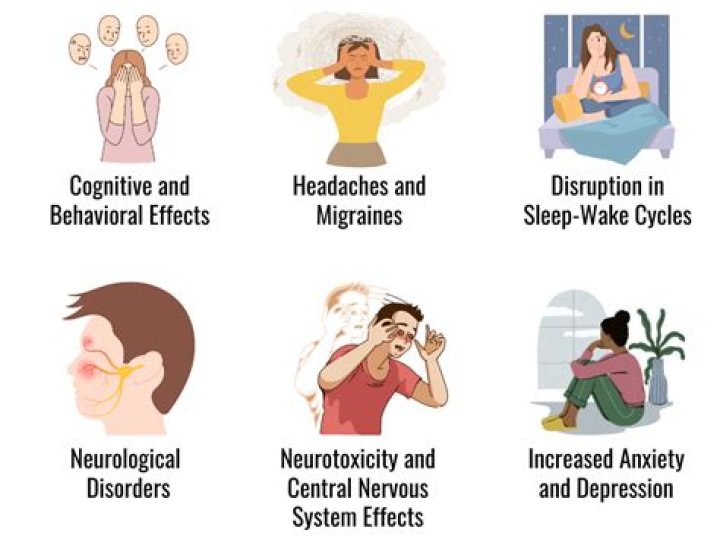
The number of mycotoxins patient’s absorbed and the type of mycotoxin also play a role in symptoms (2). However, common signs are chronic fatigue, ADHD, rashes, COPD, and depression. Less common symptoms include dementia, Parkinson’s, and cancer.